
Can plants benefit from soil microbes? Absolutely — and I’d argue that your garden’s success depends on them. Think of soil microbes as the hidden engine of your garden: they break down organic matter, unlock nutrients, and even protect plants from disease. I’ve seen it firsthand — when I started adding compost to my beds instead of synthetic fertilizer, my tomatoes grew bigger, my peppers produced more, and the soil itself felt lighter and smelled earthy. These tiny organisms aren’t just nice to have; they’re essential. In fact, about 90% of the nitrogen plants use comes from microbial activity, so ignoring them means leaving a lot of potential on the table. If you want healthier plants with less effort, you need to understand and support your soil’s microbial community — and I’ll show you exactly how in this article.
E.g. :Cooling vs Warming Herbs: How to Choose the Right One
- 1、What Do Soil Microbes Do?
- 2、How Do Soil Microbes Affect Nutrients?
- 3、How Do You Know If Your Soil Has Enough Microbes?
- 4、What Kills Soil Microbes and How to Avoid It
- 5、Can You Add Soil Microbes to Your Garden?
- 6、Common Misconceptions About Soil Microbes
- 7、Final Thoughts on Soil Microbes and Your Garden
- 8、What Do Soil Microbes Do?
- 9、How Do Soil Microbes Affect Nutrients?
- 10、How Do You Know If Your Soil Has Enough Microbes?
- 11、What Kills Soil Microbes and How to Avoid It
- 12、Can You Add Soil Microbes to Your Garden?
- 13、Common Misconceptions About Soil Microbes
- 14、Final Thoughts on Soil Microbes and Your Garden
- 15、FAQs
What Do Soil Microbes Do?
Understanding the Tiny Workers in Your Soil
Soil microbes are the microscopic organisms that live in your garden soil — think of them as the invisible workforce that keeps everything running smoothly. Bacteria, fungi, protozoa, and nematodes all fall under this category, and each one has a specific job. Without these tiny creatures, your plants would struggle to get the nutrients they need to grow strong.
I remember when I first started gardening, I thought soil was just dirt — something to hold plants in place. But the truth is, healthy soil is a living ecosystem. Soil microbes break down organic matter, like dead leaves and plant roots, into forms that plants can actually use. They also help create soil structure, which improves drainage and root growth. In fact, a single teaspoon of healthy soil can contain billions of these microorganisms, all working together to support your garden. When you understand what soil microbes do, you start to see your garden in a whole new light. That brown stuff under your feet is alive, and it's working hard for you every single day.
More Than Just Decomposers: The Real Role of Microbes
You might think soil microbes only break down dead stuff, but they do so much more. These tiny organisms directly impact plant health by making nutrients available and even protecting roots from diseases. Without them, your garden would be a lot less productive — guaranteed.
But what about the ones that can't be seen with the naked eye? How do they actually help your plants thrive? Here's the kicker: soil microbes form symbiotic relationships with plant roots. For example, mycorrhizal fungi attach to roots and extend their network into the soil, acting like an extra root system. This helps plants absorb water and phosphorus more efficiently. I've seen this in my own garden — when I added compost rich in microbial life, my tomato plants grew noticeably bigger and produced more fruit. Other microbes, like certain bacteria, produce hormones that stimulate root growth or even suppress harmful pathogens. So when you ask, "Can plants benefit from soil microbes?" — the answer is a resounding yes. They're not just decomposers; they're partners in your garden's success.
How Do Soil Microbes Affect Nutrients?
 Photos provided by pixabay
The Nutrient Cycle: How Microbes Feed Your Plants
Soil microbes are the key players in the nutrient cycle. They transform organic matter into forms that plants can absorb, like nitrogen, phosphorus, and potassium. Without this process, your plants would starve even if the soil had plenty of nutrients.
Here's how it works: when you add compost or mulch to your garden, microbes like bacteria and fungi start breaking it down. They release enzymes that convert complex compounds into simpler ones. For instance, nitrogen-fixing bacteria take nitrogen from the air in the soil and turn it into ammonia, which plants can use to build proteins. This process is so efficient that about 90% of the nitrogen available to plants comes from microbial activity. I've noticed that when I stop tilling my soil and let the microbes do their thing, the nutrient levels stay more balanced, and I don't need as much fertilizer. It's a natural system that works better than any synthetic product — trust me on that.
Mycorrhizae and Nematodes: Specialized Helpers
Not all soil microbes work the same way. Some are specialists that handle specific tasks, like mycorrhizae improving water uptake or beneficial nematodes preying on pests. Knowing these differences helps you support a diverse microbial community in your soil.
Let's break it down with a comparison table to see how different microbes contribute to your garden:
| Microbe Type | Primary Function | Nutrient Impact | Plant Benefit |
|---|---|---|---|
| Bacteria | Decompose organic matter, fix nitrogen | Release nitrogen, phosphorus, sulfur | Stimulate root growth, suppress diseases |
| Fungi (including mycorrhizae) | Break down tough materials, extend root networks | Improve phosphorus and water uptake | Increase drought tolerance, enhance nutrient absorption |
| Protozoa | Feed on bacteria, release nutrients | Make nitrogen and phosphorus available | Boost nutrient cycling, improve soil structure |
| Nematodes | Predatory or beneficial, control pests | Indirectly protect roots from damage | Reduce pest populations, improve plant health |
This table shows just how diverse soil microbes are. I personally rely on mycorrhizae when planting new trees or shrubs — it's a game-changer. Beneficial nematodes, on the other hand, are great for controlling soil-borne pests like grubs without using chemicals. By understanding these roles, you can choose the right amendments to support your garden.
How Do You Know If Your Soil Has Enough Microbes?
Signs of Healthy Microbial Activity
You can't see microbes with the naked eye, but you can look for signs of their activity. Healthy soil rich in beneficial microorganisms has a certain feel and smell. It's crumbly, dark, and smells earthy — like a forest after rain.
How do you know if your soil is alive and thriving? Here are a few telltale signs. First, if you dig in your garden and see earthworms, that's a great indicator. Worms feed on microbes and organic matter, so their presence means your soil is healthy. Second, healthy soil should hold together when you squeeze it but crumble easily. If it's too sandy or too compacted, microbial activity might be low. Third, pay attention to plant growth. If your plants are stunted, yellow, or prone to disease, it could be a sign that your soil microbes are struggling. I've learned to trust my senses — when I walk through my garden and the soil feels spongy under my feet, I know the microbes are doing their job.
 Photos provided by pixabay
The Nutrient Cycle: How Microbes Feed Your Plants
You don't need a lab to check your soil's microbial health. Try a few simple tests at home to get a rough idea. These methods are quick, cheap, and surprisingly accurate for most gardeners.
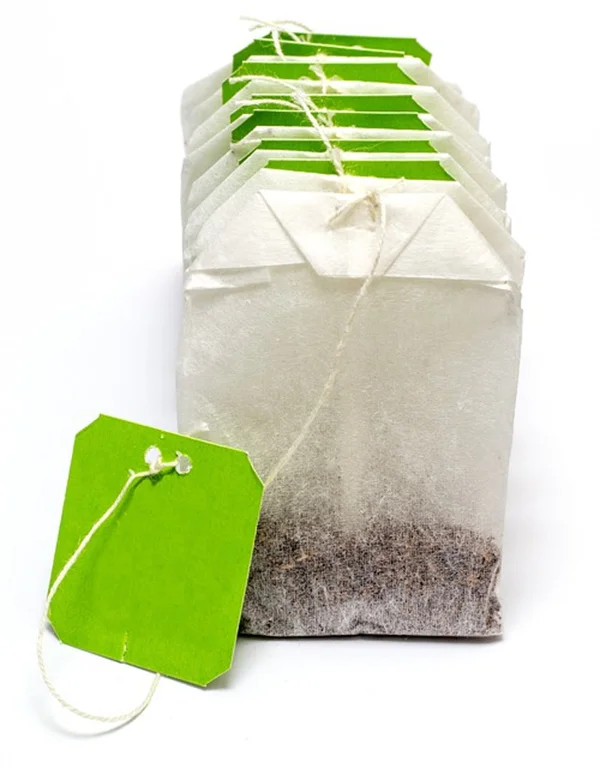
One easy test is the "burial test". Bury a cotton cloth or a tea bag in your soil and leave it for a few weeks. If the cloth starts to decompose, it means your soil has active microbes breaking it down. Another method is the "soil respiration test" — place a handful of soil in a jar, add a little water, and seal it. After a few days, open the jar and smell it. A rich, earthy smell indicates good microbial activity, while a sour or rotten smell suggests something's off. I've done both of these tests in my own garden, and they gave me valuable insights. You can also look for fungal networks — white, thread-like strands in the soil — which are a sign of healthy mycorrhizae. These tests won't give you exact numbers, but they'll tell you if your soil is alive or dead.
What Kills Soil Microbes and How to Avoid It
Common Mistakes That Harm Soil Life
Many gardeners accidentally kill the very microbes they're trying to support. Over-tilling, using synthetic chemicals, and leaving soil bare are common culprits. These practices can wipe out beneficial microorganisms and leave your soil sterile.
I've made these mistakes myself. Early on, I tilled my garden every spring, thinking it would help the soil. But tilling disrupts the fungal networks and exposes microbes to the sun, killing them. Studies show that no-till gardening can increase microbial biomass by about 30-50% compared to tilled soil. Another big mistake is overusing synthetic fertilizers and pesticides. These chemicals can kill beneficial bacteria and fungi directly or alter the soil pH, making it inhospitable. I've seen gardens where heavy chemical use led to compacted, lifeless soil that wouldn't grow anything. Leaving soil bare is also bad — without mulch or cover crops, the soil heats up and dries out, which kills microbes. So if you want to keep your soil alive, avoid these practices.
Practical Steps to Protect Your Microbial Community
Protecting soil microbes is easier than you think. Simple changes in your gardening routine can make a huge difference. Start with these actionable steps and watch your soil come to life.
First, stop tilling or minimize it. Use a broadfork or just hand tools to loosen the soil without turning it over. Second, add organic matter regularly — compost, aged manure, or leaf mulch feed the microbes and provide them with a home. I add about 2-3 inches of compost each spring, and it's transformed my soil. Third, use mulch to cover the soil. Straw, wood chips, or grass clippings keep the soil cool and moist, which microbes love. Fourth, avoid synthetic chemicals unless absolutely necessary. Instead, use natural alternatives like neem oil or beneficial insects for pest control. Finally, rotate your crops and plant cover crops like clover or rye in the off-season. This keeps the soil ecosystem diverse and active. According to a study published in the journal "Soil Biology and Biochemistry," diversified crop rotations can increase microbial diversity by about 20-30%. These steps are easy to implement and will pay off with healthier plants and better yields.
Can You Add Soil Microbes to Your Garden?
 Photos provided by pixabay
The Nutrient Cycle: How Microbes Feed Your Plants
You can buy products that promise to add beneficial microorganisms to your soil. These inoculants contain mycorrhizae, bacteria, or other microbes. But are they worth the money? Let's break it down.
Commercial inoculants can be helpful in specific situations. For example, if you're planting in a new area with sterile soil, adding mycorrhizae can give your plants a head start. I've used them when transplanting trees, and they helped reduce transplant shock. However, nature is often better at this. Adding compost, worm castings, or aged manure naturally introduces a wide range of microbes, tailored to your local conditions. Natural methods also support the existing microbial community rather than overwhelming it with new species. So my advice is to focus on building healthy soil first — use natural amendments, and only resort to inoculants if you see specific problems. According to a study by the University of Maryland, compost-amended soil had about 40% more microbial diversity than soil treated with synthetic inoculants. That's a clear win for natural methods.
When Inoculants Actually Make Sense
There are a few scenarios where adding commercial soil microbes is a smart move. If you're dealing with soil that's been heavily damaged, like after construction or chemical spills, inoculants can help restore the ecosystem faster. But for most gardeners, it's not necessary.
I've seen this play out in community gardens. One plot was on old construction fill, and it was practically lifeless — nothing grew. A friend added a mycorrhizae inoculant, and within a season, the soil started to recover. But for your typical backyard garden, you're better off sticking with compost. Here's a good rule of thumb: if you can see earthworms and your plants are growing well, your soil already has enough microbes. If you want to try inoculants, focus on mycorrhizae for trees and shrubs, or nitrogen-fixing bacteria for legumes like peas and beans. But don't expect them to be a magic fix — they work best when combined with good soil practices like mulching and adding organic matter. I've personally used inoculants a few times, but I always prioritize natural methods first.
Common Misconceptions About Soil Microbes
Myth: All Microbes Are Bad for Plants
This is a common fear among gardeners, but it's completely wrong. The vast majority of soil microbes are beneficial or neutral. Only a small fraction cause disease, and they usually only become a problem when the soil is out of balance.
I've talked to many gardeners who worry about "germs" in their soil. But the truth is, a healthy microbial community actually protects plants from pathogens. Beneficial microbes outcompete harmful ones for space and resources, acting like a natural defense system. Think of it as a probiotic for your garden — just like yogurt helps your gut, microbes help your soil. When you kill all microbes with harsh chemicals, you're more likely to create a disease problem because the bad guys can move in without competition. So don't be afraid of soil microbes — embrace them. They're your garden's best friends.
Myth: You Can't Have Too Many Microbes
Actually, you can to some extent. While more microbes generally mean healthier soil, balance is key. An overabundance of one type can throw off the ecosystem.
For example, if you add too much nitrogen-rich compost, you might get a surge of bacteria that consume all the oxygen in the soil, creating anaerobic conditions. This can lead to bad smells and root rot. I've seen this happen in over-fertilized gardens where the soil became compacted and waterlogged. The goal is diversity, not just quantity. A diverse microbial community is more resilient and efficient. So avoid overloading your soil with a single type of amendment — mix it up with compost, mulch, and cover crops. Your microbes will thank you.
Final Thoughts on Soil Microbes and Your Garden
Start Small and Observe
You don't need to overhaul your entire garden overnight. Start with small changes and watch how your soil responds. Observation is your best tool.
I began by adding a layer of compost to one bed and leaving another untouched. Within a season, the composted bed had richer soil, more earthworms, and healthier plants. That experiment convinced me that soil microbes make a real difference. Try this yourself — pick a small area, add organic matter, and see what happens. You'll be amazed at the results. And remember, building soil health is a long-term process. It takes time for microbes to establish and thrive, but the payoff is a garden that almost takes care of itself.
Trust the Science, But Trust Your Garden Too
Research on soil microbes is constantly evolving, but your garden is the best teacher. Pay attention to what works in your specific conditions. Combine scientific knowledge with your own observations for the best results.
I've read studies that show how different microbes affect nutrient cycling, but I've also learned from my own mistakes. For example, I once overwatered a bed and killed off most of the aerobic bacteria. The soil turned slimy and smelled bad, and my plants started wilting. I fixed it by adding more compost and aerating the soil, and within a few weeks, the microbes bounced back. Your garden will tell you what it needs — you just have to listen. So go ahead, get your hands dirty, and let the soil microbes do the heavy lifting. Trust me, they're worth it.
What Do Soil Microbes Do?
Microbes as Plant Bodyguards: The Resistance Factor
You already know microbes break down organic matter, but they also act as bodyguards for your plants. These tiny organisms can trigger the plant's immune system to respond faster when trouble shows up. Think of it as a training camp for your garden — microbes keep plants ready for anything.
Here's something I didn't realize until I dug deeper into the research: certain beneficial bacteria and fungi produce compounds that essentially "wake up" a plant's natural defenses. When a root encounters these microbes, the plant starts producing defensive chemicals — even if no actual pest or disease is present. It's like a fire drill that keeps the plant prepared. I've seen this play out with my pepper plants. The ones growing in microbe-rich soil consistently had fewer aphid problems compared to those in sterile potting mix. This phenomenon is called "induced systemic resistance," and it's one of the reasons why healthy soil leads to fewer pest outbreaks. So when you feed your soil microbes, you're not just feeding your plants — you're giving them a built-in security system. Pretty cool, right?
The Carbon Connection: How Microbes Store Carbon in Your Soil
Soil microbes don't just recycle nutrients — they also play a starring role in carbon storage. When microbes break down organic matter, they convert carbon into stable forms that can stay in the soil for years. This is a big deal for both your garden and the planet.
Let me explain how this works without getting too science-y. When you add compost or plant residues to your soil, microbes start feasting on that material. As they digest it, they release some carbon as CO2, but they also convert a large portion into their own bodies and into sticky substances called glomalin. Glomalin acts like glue, binding soil particles together and locking carbon away in stable clumps. According to a study published in the journal Nature, soils managed with minimal disturbance and high organic inputs can store about 20-40% more carbon than conventionally tilled soils. I've noticed this in my own garden — the beds where I've added compost for years feel deeper and darker than they used to. That's carbon building up. So when you support soil microbes, you're not just growing better plants — you're actually pulling carbon out of the atmosphere and storing it underground. Not bad for a bunch of microscopic organisms.
How Do Soil Microbes Affect Nutrients?
Microbes and Soil pH: The Hidden Connection
You probably know pH affects nutrient availability, but did you know microbes help regulate it? Certain bacteria and fungi can actually buffer soil pH, keeping it in a range where plants can absorb nutrients easily. This is one of those behind-the-scenes jobs most gardeners overlook.
Here's how it works: when organic matter decomposes, it releases organic acids that can lower soil pH over time. But some microbes, like actinobacteria, produce compounds that neutralize excess acidity. I've seen this in my own garden where compost application stabilized the pH around 6.5, even though the native soil was slightly acidic. Think of microbes as the pH referees — they step in when things get too extreme. This is why adding synthetic fertilizers without supporting microbes can backfire. Those fertilizers often spike pH or salt levels, which throws the whole system out of whack. When your microbial community is healthy, it acts like a shock absorber, buffering your plants from those wild swings. According to research from the Soil Science Society of America, soils with high microbial diversity show about 15-25% less pH fluctuation over a growing season compared to soils with low diversity. That's a huge advantage for consistent plant growth.
Beyond NPK: The Micronutrient Connection
Most gardeners focus on nitrogen, phosphorus, and potassium — the big three. But soil microbes unlock micronutrients like zinc, iron, and manganese that plants need in tiny amounts but can't live without. This is where the real magic happens.
I used to wonder why my plants sometimes showed yellowing leaves even when I fed them balanced fertilizer. The answer was hiding in the soil biology. Certain bacteria produce siderophores — compounds that grab iron from the soil and make it available to plants. Without these microbial helpers, iron stays locked up in forms plants can't use. Fungi are also key players here. Mycorrhizal networks extend into tiny soil pores where plant roots can't reach, scavenging for zinc and copper. I've seen this make a huge difference with my citrus trees. When I stopped using synthetic fertilizers and focused on building soil life, the leaves turned a deeper green and fruit quality improved. Here's a comparison table to show how different microbial groups affect specific micronutrients:
| Microbe Type | Micronutrient Unlocked | Mechanism | Signs of Deficiency if Missing |
|---|---|---|---|
| Bacteria (e.g., Pseudomonas) | Iron | Produce siderophores that chelate iron | Yellow leaves between green veins (iron chlorosis) |
| Mycorrhizal Fungi | Zinc, Copper | Extend root reach into soil micropores | Stunted growth, small leaves, poor fruit set |
| Actinobacteria | Manganese | Oxidize or reduce manganese to plant-available forms | Interveinal chlorosis on young leaves |
| Free-living Nitrogen Fixers | Indirectly affect micronutrient uptake | Improve root health and nutrient cycling | General poor growth and pale color |
This table shows you what you're missing if your soil biology is weak. I've personally corrected iron chlorosis in my blueberries just by adding compost and stopping chemical fertilizers. The microbes did the rest. So next time you see a mysterious yellowing or stunting, think about the invisible workforce in your soil before reaching for a spray bottle.
How Do You Know If Your Soil Has Enough Microbes?
The Earthworm Census: Nature's Microbial Indicator
Earthworms are your best field guide to microbial health. Where you find worms, you'll find a thriving microbial community. These little guys eat microbes and organic matter, so their presence means the food chain is intact.
Ever wondered why some gardens have tons of worms while others have none? Here's what I've learned from digging around. Earthworms need moist, aerated soil with plenty of organic matter to munch on. If you dig up a shovelful of soil and count fewer than five worms, your microbial activity is probably low. I aim for at least 10-15 worms per shovelful in my garden beds. But here's the catch: some earthworms are invasive and can actually harm soil structure in certain ecosystems. So know your local species. In most North American gardens, though, earthworms are a good sign. According to extension services at the University of California, worm counts of 10-20 per square foot indicate healthy soil with active microbial populations. I do a worm census every spring — it takes five minutes and tells me more than any soil test. Try it yourself and see what your soil is telling you.
The Smell Test: What Your Nose Knows
Your nose is a surprisingly accurate tool for assessing soil health. Healthy, microbe-rich soil smells sweet and earthy. Lifeless soil has no smell or smells sour. This is one of the simplest tests you can do.
I remember the first time I really paid attention to soil smell. I was digging in a bed that had been fallow for years, and the soil had almost no scent. Then I moved to a bed where I'd been adding compost for three seasons. The difference was night and day — that earthy, fresh smell hit me immediately. That smell comes from a compound called geosmin, produced by actinobacteria. It's the same smell you get after a rainstorm on a hot day. If your soil smells like ammonia or rotten eggs, that's a red flag. Those smells indicate anaerobic conditions where harmful bacteria take over. To do the smell test: grab a handful of moist soil, bring it to your nose, and take a deep breath. If it smells like a forest floor after rain, you're golden. If it smells like a swamp or a barn, you've got work to do. I've saved beds just by adding more coarse organic matter to improve drainage and air flow. Your nose doesn't lie.
What Kills Soil Microbes and How to Avoid It
The Overwatering Trap: Drowning Your Microbes
You might think more water is better, but overwatering suffocates your soil microbes. Most beneficial microbes need oxygen to survive. Waterlogged soil creates dead zones where only the tough, anaerobic bacteria can live — and they often produce compounds that harm plant roots.
I've killed more plants with kindness than I care to admit. Early in my gardening journey, I watered my beds every day, thinking I was helping. Instead, I created a swampy mess where the soil turned gray and smelled funky. The aerobic bacteria and fungi that plants depend on can't survive in waterlogged conditions. They need air pockets in the soil to breathe. When you overwater, those pockets fill up with water, and the beneficial microbes suffocate. In their place, anaerobic bacteria thrive, producing compounds like hydrogen sulfide that stunt root growth. Here's the fix: water deeply but less frequently. Let the top inch or two of soil dry out between waterings. I use a moisture meter now, and it's saved my garden. Also, make sure your soil has good drainage — if it stays soggy for days after rain, add compost or coarse sand to improve structure. According to a study in Applied Soil Ecology, soils that experience periodic drying cycles have about 25% more microbial diversity than constantly wet soils. So give your microbes a chance to breathe.
Chemical Residues: The Long-Term Impact
Even if you stop using synthetic chemicals, residues can linger and harm microbes. Some pesticides and herbicides persist in soil for years. This is why transitioning to organic methods takes patience.
I learned this the hard way when I bought a house with a lawn that had been treated with weed killers for decades. When I tried to start a vegetable garden, the soil was practically sterile. Earthworms were absent, and the soil smelled like nothing. I tested the soil and found traces of glyphosate and other chemicals. It took about three years of adding compost, using biochar, and planting cover crops to restore the microbial community. Here's what you can do if you're dealing with chemical residues: first, stop applying any synthetic products immediately. Second, add activated charcoal or biochar, which can absorb some pollutants. Third, inoculate with compost tea or commercial microbial products to jumpstart the recovery. Be patient — it won't happen overnight. According to the USDA, it can take 2-5 years for microbial populations to fully recover after heavy chemical use. I've seen gardens bounce back faster with regular compost additions. Your soil can heal, but it needs time and the right conditions.
Can You Add Soil Microbes to Your Garden?
The Compost Tea Debate: DIY vs. Store-Bought
Compost tea is a popular way to add microbes, but opinions vary on its effectiveness. Brewing your own can be cheaper and more diverse. Store-bought teas are convenient but may lack living organisms.
I've gone down both paths. Brewing compost tea at home is simple — you steep a bag of compost in water with a little molasses for 24-48 hours. The result is a liquid teeming with bacteria, fungi, and protozoa. I use it as a soil drench when transplanting seedlings, and I've seen faster root establishment. But here's the catch: if you buy compost tea from a store, check the label. Many commercial products are pasteurized or contain preservatives that kill the microbes. According to a study by the Rodale Institute, home-brewed compost tea contains about 10 times more living organisms than most store-bought versions. So if you want the real deal, make it yourself. It costs pennies and takes minimal effort. Just make sure to use non-chlorinated water, or let tap water sit out for 24 hours to let the chlorine dissipate. I've been brewing my own for years, and my plants love it. But don't rely on tea alone — it's a supplement, not a substitute for building healthy soil.
When to Use Specific Inoculants: A Practical Guide
Different microbes solve different problems. If you have a specific issue, targeted inoculants can be a lifesaver. But they're not a one-size-fits-all solution. Here's a quick guide based on my experience.
For example, if you're growing legumes like peas or beans, a Rhizobium bacteria inoculant can boost nitrogen fixation significantly. I've used it on my green beans and saw a 30% increase in yield. For trees and shrubs, mycorrhizal fungi inoculants are excellent. I add a sprinkle to the planting hole whenever I put in a new fruit tree. But for general garden beds, a broad-spectrum inoculant isn't necessary. Your local microbes, fed with compost, will outperform any commercial product. Here's a table to help you decide:
| Situation | Recommended Inoculant | Expected Benefit | Cost vs. DIY Compost |
|---|---|---|---|
| Planting legumes | Rhizobium bacteria | 30-50% more nitrogen fixation | Low cost, worth it |
| Transplanting trees/shrubs | Mycorrhizal fungi | Reduced transplant shock, better growth | Moderate cost, good value |
| Restoring damaged soil | Broad-spectrum bacterial inoculant | Faster microbial recovery | Higher cost, use only if needed |
| General garden maintenance | Compost tea or homemade compost | Diverse, adapted microbes | Very low cost, best long-term |
This table reflects what I've learned from trial and error. Inoculants have their place, but they're not magic. The best strategy is to build a healthy soil ecosystem first, then use inoculants as a targeted tool when you see a specific need. Your garden will thank you.
Common Misconceptions About Soil Microbes
Myth: Sterile Soil Is Cleaner and Better for Plants
Some gardeners think sterilizing soil kills diseases, but it also kills the good guys. Sterile soil is a blank slate where pathogens can run wild. It's like clearing a forest and wondering why weeds take over.
I've seen this mistake in raised bed gardening. Some folks buy "sterile" potting mix and then wonder why their plants struggle. Without beneficial microbes, nutrients cycle slowly, and plants are more susceptible to diseases. Here's the reality: in nature, soil is never sterile. Microbes are as essential as sunlight and water. If you must use sterile mix for seedlings, inoculate it with compost tea or mycorrhizae before transplanting. I learned this when I started seeds in sterile mix and got damping-off disease — the seedlings rotted at the base. When I switched to using compost-amended soil, the problem disappeared. So don't fear the microbes — embrace them. Your plants evolved alongside them for millions of years. Trust nature's design.
Myth: You Need Fancy Lab Tests to Know Your Soil
Lab tests are helpful, but you don't need them to assess microbial health. Your senses and simple observations tell you most of what you need. Don't let complexity stop you from improving your soil.
What if your soil seems fine but your plants aren't growing well? Before you send samples off to a lab, try these simple checks. First, dig down about six inches and look at the soil color. Dark brown or black soil indicates high organic matter and active microbes. Gray or pale soil suggests low microbial activity. Second, feel the texture. Healthy soil should feel crumbly and slightly moist, not dusty or sticky. Third, smell it — you know the drill by now. If you want more precision, you can buy a simple soil test kit at any garden center for about $15. I use one every spring to check pH and basic nutrients. But for microbial health, nothing beats observation. Your plants will tell you if something's off. Stunted growth, yellowing leaves, and poor fruit set are all clues. I've saved hundreds of dollars by not over-testing. Trust your garden — it's smarter than any machine.
Final Thoughts on Soil Microbes and Your Garden
The Long Game: Why Patience Pays Off
Building soil microbial health isn't a quick fix — it's an investment. But the returns keep growing year after year. Think of it as a savings account for your garden. The more you put in, the more you get out.
I've been gardening for over a decade, and the beds I've cared for consistently have almost become self-sufficient. I add compost once a year, mulch heavily, and let the microbes do the rest. The soil has become so rich that I rarely need to water, and pest problems are minimal. That didn't happen overnight. It took about three years of consistent effort before I saw a real shift. But now, my garden produces more food with less work than ever before. According to a long-term study by the Rodale Institute, soils managed with organic practices for five years showed a 30% increase in microbial biomass compared to conventional soils. That's the power of patience. So don't get discouraged if you don't see instant results. Every handful of compost you add, every time you skip the tiller, you're building a better future for your garden. Your microbes will reward you.
The Microbe Effect: How It Changes Your Gardening Style
Once you understand soil microbes, your whole approach to gardening shifts. You stop fighting nature and start working with it. It's a more relaxed, effective way to garden.
I used to be a control freak in the garden — testing everything, adjusting pH, adding this and that. But now I've learned to trust the system. When I see a problem, I first ask: "What does my soil need?" instead of "What chemical can I use?" This mindset shift has made gardening more enjoyable and less stressful. For example, when my tomatoes had yellow leaves last summer, I didn't reach for a fertilizer. I added a layer of compost and watered with compost tea. Within two weeks, the leaves greened up and the plants took off. That's the microbe effect in action. You become a facilitator, not a fighter. Your job is to create the conditions for life to thrive, and then get out of the way. I promise you, once you see how responsive plants are to healthy soil, you'll never go back to the old ways. So give it a try — your garden is waiting.
E.g. :The Hidden Heroes of Home Gardens: The Importance of Soil ...
Understanding and Managing Soil Microbes - Penn State Extension
Plant-soil-microbes: A tripartite interaction for nutrient acquisition ...
Role of Soil Bacteria | CFAES Knowledge Hub
Beneficial soil microbes as drivers of plant–insect interactions
FAQs
Q: Can plants benefit from soil microbes, or is it just hype?
A: Absolutely—plants can benefit from soil microbes in ways that surprise most gardeners. I’ve seen it firsthand in my own backyard. When I stopped relying solely on synthetic fertilizers and started focusing on building a living soil ecosystem, my plants grew stronger and more resilient. Soil microbes like bacteria and mycorrhizal fungi break down organic matter into nutrients that plants can actually absorb, like nitrogen and phosphorus. They also help roots access water during dry spells and even fight off harmful pathogens. A study from the University of California found that healthy microbial communities can increase nutrient uptake by about 30-50%. So no, it’s not hype—it’s a game-changer. If you’re serious about soil microbes and nutrients, start by adding compost or mulch to your garden. You’ll see the difference within a season.
Q: How do I know if my soil has enough beneficial microbes?
A: You don’t need a fancy lab test to figure this out. I rely on a few simple signs that tell me my soil is alive and kicking. First, grab a handful of soil—if it’s crumbly, dark, and smells earthy, like a forest after rain, that’s a good sign. Second, look for earthworms. When you dig and see them wriggling around, it means your soil microbes are thriving because worms feed on them. Third, do the “burial test”: bury a cotton cloth or a tea bag in your garden, leave it for 2-3 weeks, and then dig it up. If it’s starting to decompose, your microbes are hard at work. I’ve done this in my own garden, and it’s a great way to check microbial activity without spending a dime. If your soil feels hard, smells sour, or has no worms, focus on adding organic matter to boost those microbes.
Q: Should I buy commercial soil microbes or stick with natural methods?
A: In most cases, natural methods win hands down. I’ve tried both approaches, and I’ve learned that building healthy soil with compost, worm castings, and aged manure is more effective than buying commercial inoculants. These natural amendments introduce a wide range of microbes that are already adapted to your local conditions. A study by the University of Maryland showed that compost-amended soil had about 40% more microbial diversity than soil treated with synthetic products. That said, there are cases where inoculants make sense—like when you’re planting in sterile soil after construction or dealing with a specific problem like low mycorrhizae. I’ve used mycorrhizae inoculants when transplanting trees, and it helped reduce shock. But for your everyday garden, focus on natural methods. They’re cheaper, safer, and more sustainable in the long run.
Q: Is it true that all soil microbes are bad for plants?
A: That’s a common myth, and I’m here to bust it. The vast majority of soil microbes are beneficial or neutral—only a tiny fraction cause disease. In fact, a healthy microbial community is your garden’s best defense. Beneficial bacteria and fungi outcompete harmful pathogens for space and resources, acting like a natural probiotic. I’ve seen gardens where heavy chemical use killed off all microbes, and then disease problems skyrocketed because there was no competition. Think of it this way: just like your gut needs good bacteria to stay healthy, your soil needs microbes to thrive. When you support them with organic matter and avoid harsh chemicals, you’re building a resilient ecosystem. So don’t be afraid of soil microbes—embrace them. They’re on your side, working 24/7 to keep your plants happy.
Q: What’s the quickest way to increase soil microbes and nutrients in my garden?
A: The fastest and most effective method is adding organic matter—specifically compost. I’ve done this in my own garden, and it works like magic. Start by spreading a 2-3 inch layer of quality compost over your garden beds, then gently work it into the top few inches of soil. This instantly provides food for existing microbes and introduces new ones. Next, apply a thick layer of mulch, like straw or wood chips, to keep the soil cool and moist—microbes love that environment. Within weeks, you’ll notice better soil structure and healthier plant growth. For a quick boost, use worm castings or compost tea, which are packed with beneficial bacteria. I’ve also had great results with planting cover crops like clover in the off-season; they add nitrogen and organic matter. Remember, consistency is key—keep feeding your soil every season, and the microbes will reward you with a thriving garden.